

round illuminated mirror 800mm
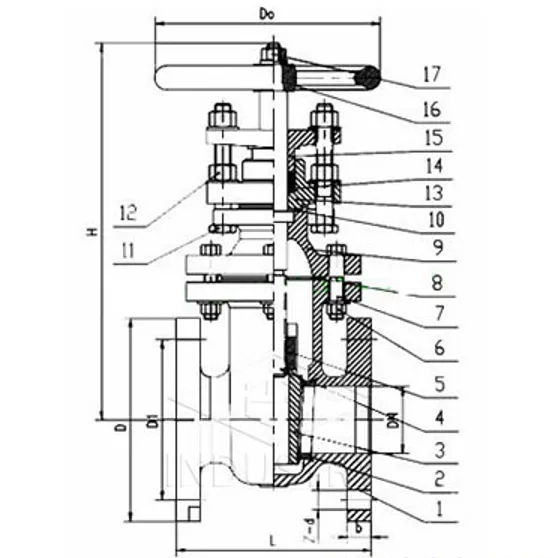
The Importance and Functionality of Large Globe Valves Large globe valves are critical components in various industrial applications, known for their ability to regulate and control the flow of fluids. These valves are characterized by their spherical body shape, which plays a significant role in their functioning. Unlike other types of valves, globe valves provide a more streamlined and effective control of flow, making them a preferred choice in many systems. Understanding Globe Valves A globe valve operates by using a movable disk – known as the plug – that is positioned in line with the flow of the fluid. When the valve is closed, the plug sits against a seat, blocking the flow and ensuring that the system is pressurized. Conversely, when the valve is opened, the plug lifts away from the seat, allowing for fluid to pass through. This mechanism allows for precise control over the flow rate, which can be crucial in processes where the concentration or speed of a fluid is important. Applications of Large Globe Valves Large globe valves are predominantly used in applications that deal with substantial flow rates and pressures. Industries such as oil and gas, water treatment, power generation, and chemical manufacturing extensively employ these valves. For example, in oil and gas pipelines, large globe valves are essential in controlling the flow of crude oil and natural gas under high-pressure conditions. Their ability to withstand harsh environments while providing reliable operation makes them an indispensable part of these systems. In power plants, large globe valves are used to regulate steam flow in turbines and other critical components. Proper management of steam flow is vital for efficiency and safety, and large globe valves help ensure that these systems operate optimally. In water treatment facilities, these valves aid in controlling the flow of water during various stages of purification, thus contributing to the delivery of safe drinking water. Design Features large globe valve The design of large globe valves varies depending on the specific needs of the application. Typically, they are made from robust materials such as stainless steel, bronze, or carbon steel, commensurate with the fluids they handle. The size and construction are essential, as larger valves may need to accommodate higher pressure and temperature requirements. These valves can be designed in various styles, including bolted bonnet and welded body configurations, allowing for different installation needs and maintenance preferences. The end connections also vary, with options for flanged connections or threaded ends, further enhancing versatility. Another critical design aspect is the valve’s actuator. Large globe valves can be operated manually or automatically via electric, pneumatic, or hydraulic actuators. The choice of actuator affects the speed of operation and the level of control available, making it essential for engineers to select the right type according to the system requirements. Maintenance and Lifespan While large globe valves are built for durability, regular maintenance is essential for ensuring their longevity and reliable performance. Routine inspections can identify issues such as wear and tear on seals and seats, which, if left unaddressed, can lead to leaks and inefficiencies. Lubrication of moving parts is vital to prevent corrosion and guarantee smooth operation. Additionally, in applications where the valve may remain in a closed or partially closed position for extended periods, it is crucial to cycle the valve regularly to prevent the seating surface from bonding with the seat material. Conclusion In conclusion, large globe valves serve a fundamental role in managing fluid flow across various industrial sectors. Their unique design allows for precise control over flow rates, making them particularly valuable in high-pressure and high-flow applications. With proper maintenance and care, these valves can provide reliable service and safety, thereby ensuring the efficiency and sustainability of critical systems. As industries evolve, the continual enhancement of globe valve technology will further bolster their importance in modern engineering solutions.
about
round illuminated mirror 800mm
The Precision Engineer's Spirit Level A Cornerstone of Accuracy In the world of engineering and construction, precision is paramount. Every measurement, every angle, and every line must be exact to ensure the success and safety of a project. Among the many tools that engineers and builders rely upon, the spirit level stands out as a fundamental instrument that embodies the essence of precision engineering. The spirit level, often referred to as a bubble level, consists of a sealed glass tube containing a liquid and an air bubble. The tube is slightly curved, allowing the bubble to move freely. When the spirit level is placed on a surface, the bubble naturally seeks the highest point due to gravity. This principle enables users to easily determine whether the surface is horizontal (level) or vertical (plumb). The simplicity of its design belies its crucial role in a vast array of applications—from framing a house to installing shelves and cabinets. Historical Evolution The use of levels can be traced back to ancient civilizations. The Egyptians utilized simple water levels as early as 2500 BCE for constructing monumental structures like the Pyramids. The Romans also made significant advancements, employing sophisticated leveling tools that allowed them to construct aqueducts and buildings with remarkable precision. However, the spirit level as we know it evolved in the 16th century when scientists and craftsmen began to refine the design, incorporating features that improved accuracy and ease of use. Over time, the spirit level underwent innovations in material and technology, ultimately becoming a vital tool in modern engineering. Importance of Accuracy In engineering, accuracy cannot be overrated. A single miscalculation can lead to catastrophic failures, from structural collapses to equipment malfunctions. The spirit level assists engineers in ensuring that structures are built correctly from the ground up. For instance, when constructing a building, each floor must be perfectly level to support the weight of the structure above. Additionally, proper leveling is essential for installations like plumbing, as it ensures that water flows correctly without any obstructions. Types of Spirit Levels precision engineers spirit level Modern spirit levels are available in various forms to suit different tasks. Traditional bubble levels are commonly used in carpentry and general construction. Digital levels, which feature electronic displays, provide precise measurements and often include additional functionalities such as angle measurements. Laser levels project a beam of light that can create a perfectly straight reference line over long distances, making them invaluable in large-scale projects. Each type of spirit level has its unique advantages and is chosen based on the specific requirements of a job. The Precision Engineer's Role Precision engineers are tasked with the responsibility of maintaining high standards in measurement and manufacturing. Their work often involves intricate tasks where even the slightest deviation can lead to significant problems. The use of a spirit level is an essential part of their toolkit, empowering them to achieve the level of precision required for their projects. By employing spirit levels, they uphold the integrity of their work and ensure that their outcomes not only meet but exceed industry standards. Future Innovations As technology continues to advance, the spirit level is likely to see further innovations. The integration of smart technology, such as apps that connect to smartphone devices, may enhance the functionality of traditional levels. Advanced sensors could provide real-time feedback and alert users to discrepancies, increasing accuracy and efficiency on job sites. Moreover, as construction techniques evolve, new materials and designs for spirit levels may emerge, catering to specialized needs within various engineering sectors. Conclusion The spirit level, though a simple tool, is a vital instrument that embodies the spirit of precision engineering. From its historical roots to modern advancements, it remains an indispensable asset for engineers, builders, and craftsmen alike. In a world where accuracy is crucial, the spirit level symbolizes the commitment to excellence that defines the profession. As we look to the future, it is clear that this humble tool will continue to play a pivotal role in shaping the landscapes of our cities and infrastructure, ensuring that we build not just with strength, but with precision.
-

High quality industrial productsagement

High quality industrial products
View Details -

Meet the diverse needs of customers

Meet the diverse needs of customers
View Details -

Strict quality control

Strict quality control
View Details -

Top raw materials

Top raw materials
View Details -

Trusted supplier

Trusted supplier
View Details
Our application



news and information
using bore gauge
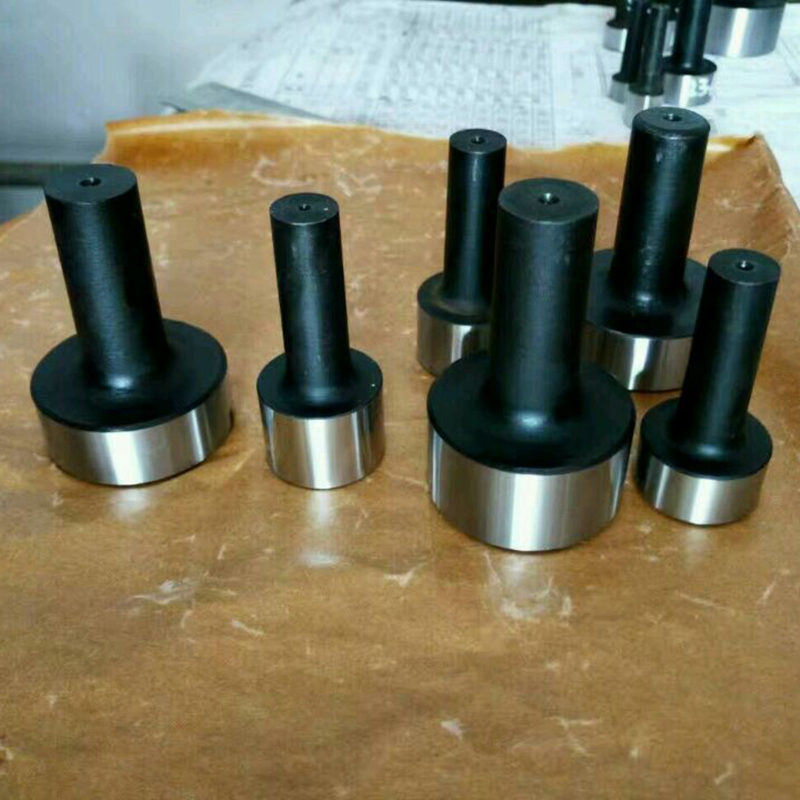
An Essential Guide to Using Bore Gauges Bore gauges are indispensable tools in machining and manufac
Vanne à papillon DN100 - Solutions de contrôle de fluides de haute qualité
La vanne à soupape DN100 Une solution essentielle pour la gestion des fluides Dans le domaine de l'i
Versatile 4x4 Welding Table for Precision Metal Fabrication and Joinery Projects
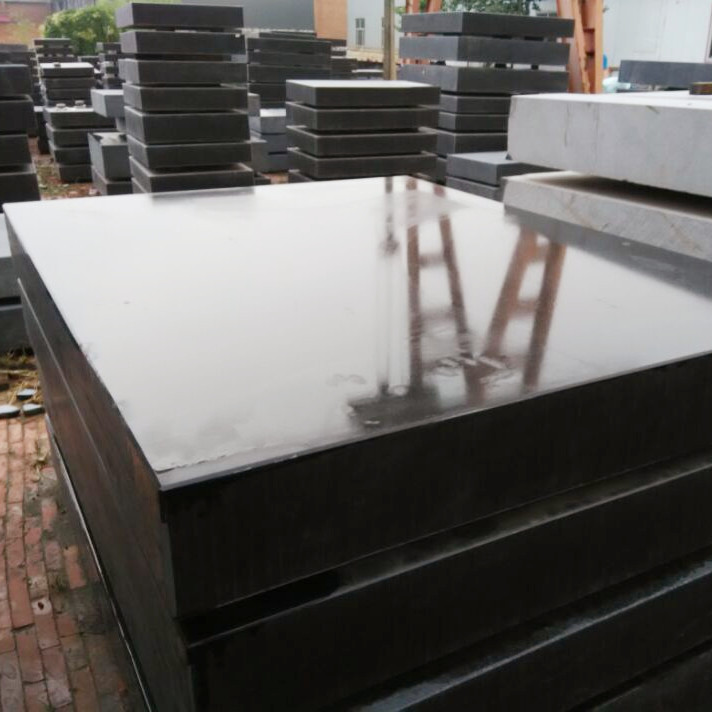
The Versatility of a 4x4 Welding Table Welding is an essential fabrication process that requires pre
 English